

Share

Exploring the Evolution: Shifting Paradigms in Software Architecture

As with any field, the evolution of software architecture is evident in the shifting paradigms of computing over time. In the 90s and early 2000s, servers held sway, relegating clients to the status of ‘dumb terminals.’

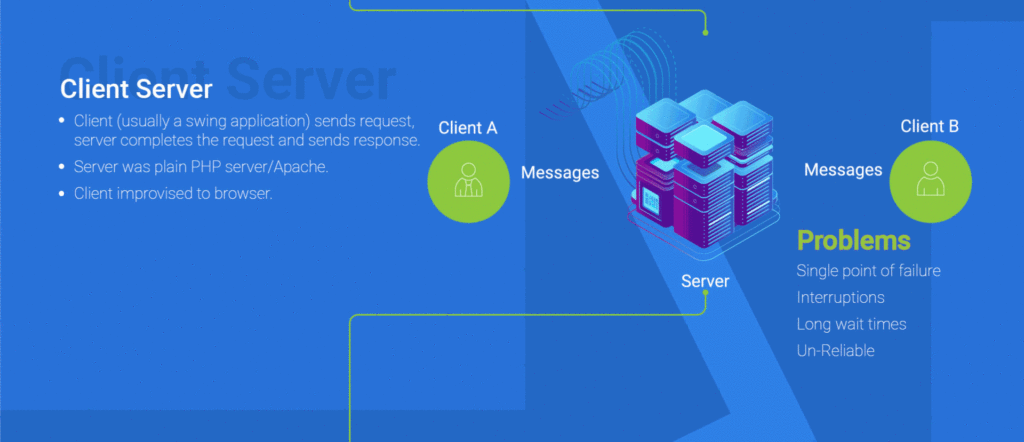
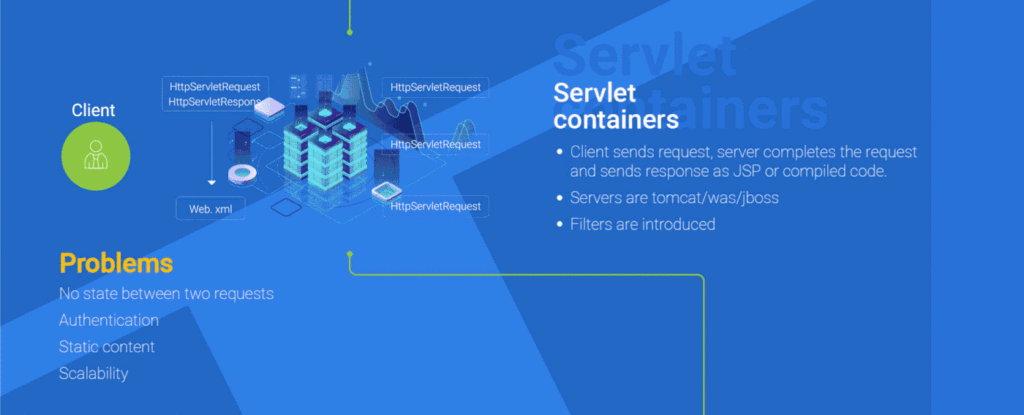
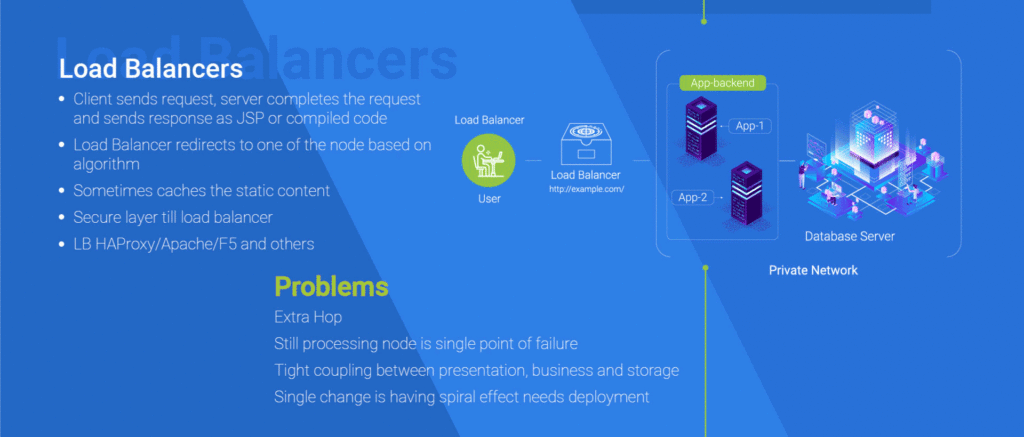
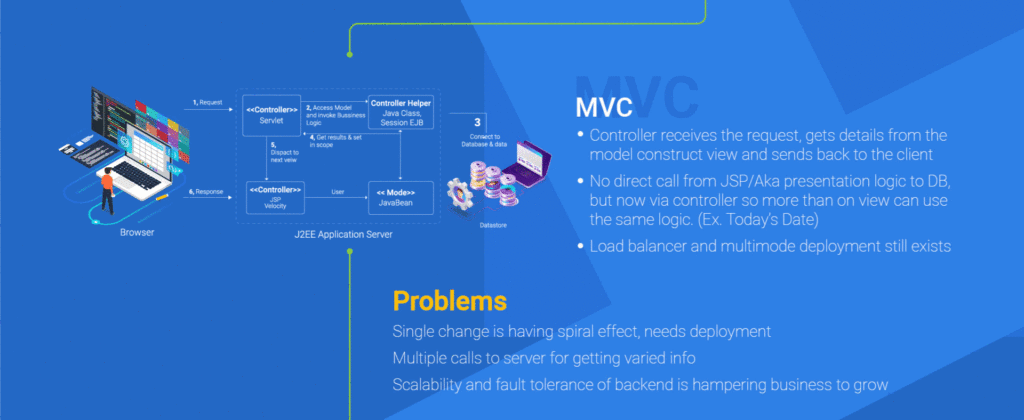
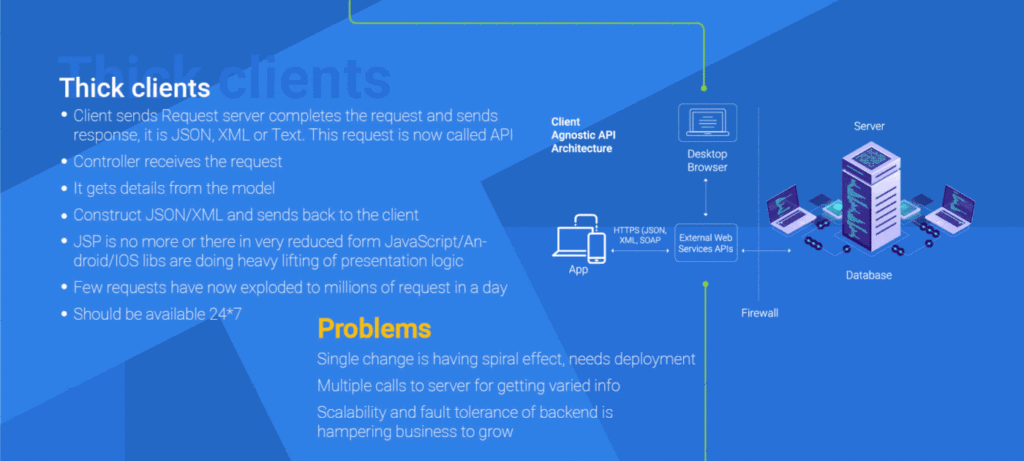
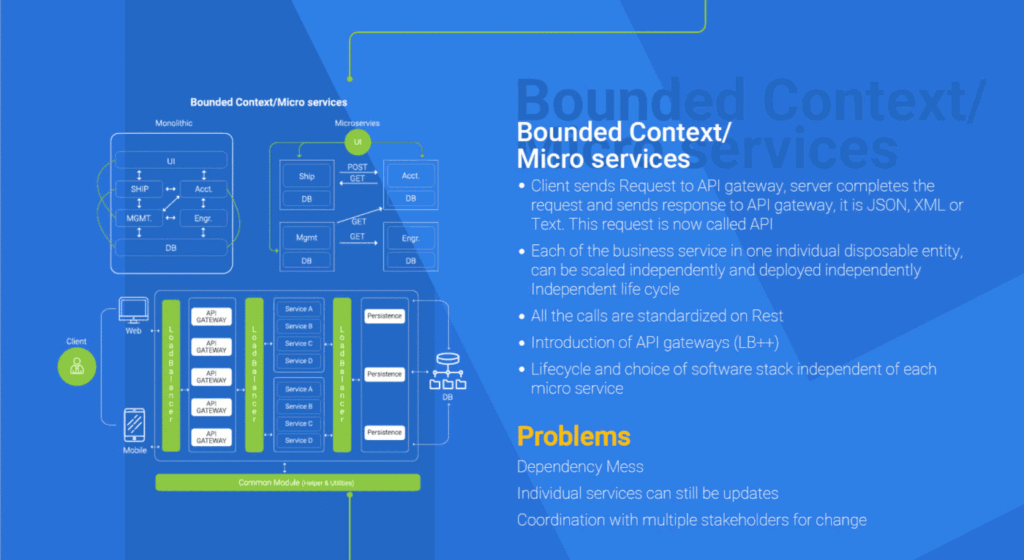
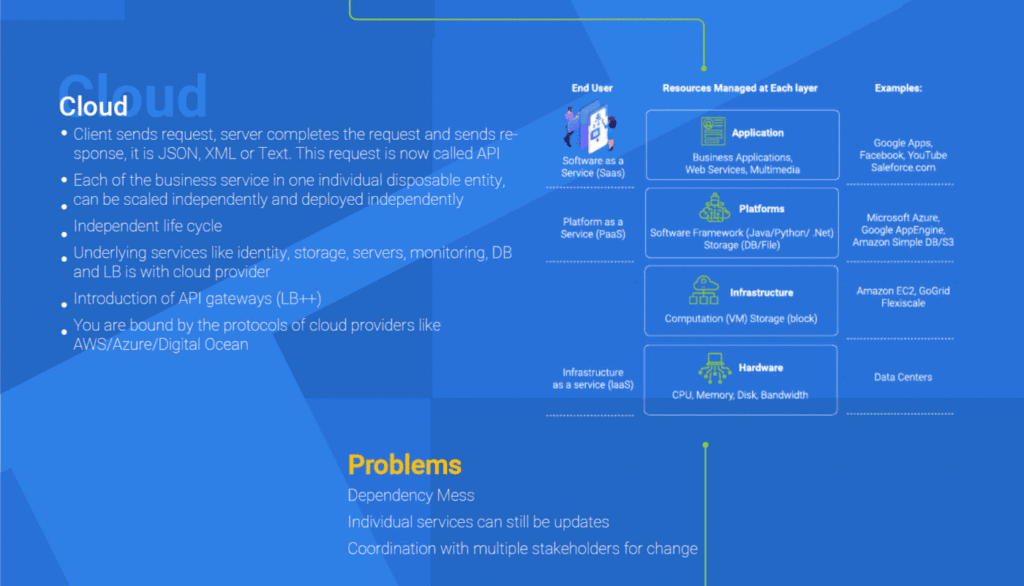
With the dawn of the 2010s, smartphones and stronger client machines shifted computing to the client-side, thereby influencing the thought process of software craftsmanship. Here’s a timeline highlighting the major pillars of architecture evolution from the 90s to the present. It illustrates how a typical client-server architecture, which began as an experiment, has evolved to support millions and billions of requests per second. This showcases the remarkable evolution of software architecture over time.

Also read: Overcoming Challenges in Distributed Agile Software Development

Key Takeaways

  • Software architecture evolves over time, reflecting changes in computing paradigms.
  • In the 90s and early 2000s, servers were dominant while clients were seen as passive.
  • The 2010s witnessed a shift towards client-side computing with the rise of smartphones and stronger client machines.
  • The evolution of software architecture is evident in its ability to support massive requests per second, showcasing remarkable progress.
 Shifting Paradigms in Software Architecture
2
3
4
5
6
7
8
9
More Industry Insights

Harnessing Altimetrik’s Expertise

Blog

From Evidence to Governed Execution: Unlocking Life Sciences Value with Snowflake and ALTi AIOS™ 

Here is something most life sciences organizations already know but rarely say out loud: Snowflake did its job. The data lake is full. Batch records, deviation logs, CAPA histories, COA repositories, clinical trial evidence, it is all there, unified, queryable, and beautifully governed. And yet the quality director is still chasing approvals through email threads. The compliance team is still manually cross-referencing batch records against specifications before a release decision. The CAPA cycle is still measured in weeks, not hours.

Data centralization was never the finish line. It was the foundation. The question now is whether that foundation does work or just sits there.

Read More

Contact Us

We'd love to hear from you.
Contact Us