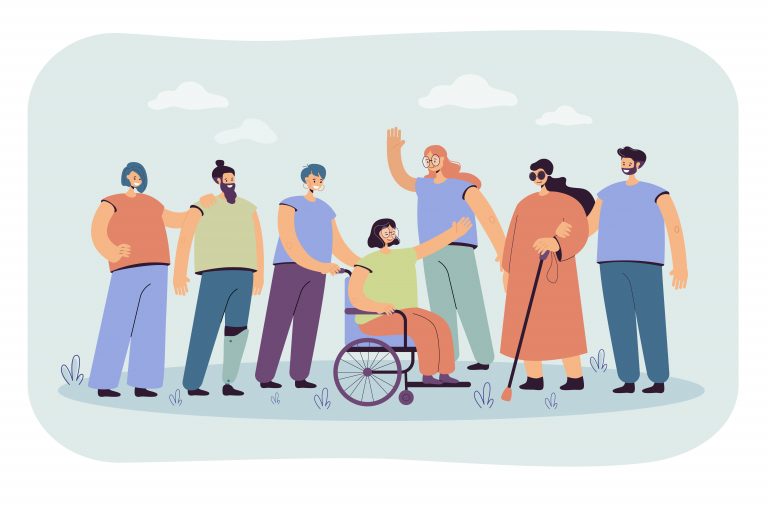
If there is ever a contest for “two words that are lumped together most often”, “diversity and inclusion in the workplace” would probably walk away with the prize. And this lumping together has only worked negatively for “inclusion” for it has come to mean that diversity implies inclusion or worse, diversity means inclusion.
When you make a cake, you bring together a wide array of ingredients, but the ingredients on their own are separate. It’s what you do with those ingredients that matter. Diversity on its own is just ingredients, but putting them all together into something wonderful and delicious is inclusion.
Even with all the talk on the matter, the number of organizations that truly perceive the nuances between diversity and inclusion is far too less. As a result, they add a few women to a board or executive team and feel they’ve achieved D&I and can return to business as usual. Such a focus on diversity while largely ignoring inclusion amounts to nothing besides a checked box on a legal requirement or a certification survey.
Navigating the Path to a Truly Diverse and Inclusive Workplace
The American analytics and advisory company Gallup’s research indicates that recognizing the distinction between diversity and inclusion is the first step in the journey towards creating a uniquely diverse and inclusive workplace culture.
Diversity is about the what – it focuses on the makeup of your workforce. Organizations are diverse when they have representation from individuals across the whole spectrum of race, gender, ethnicity, etc. Inclusion, on the other hand, is about the how – it focuses on whether the said individuals feel welcome and valued for their contributions; if everyone is able to thrive and achieve their full potential.
While adding women to the board or promoting more people from marginalized communities might enhance diversity, it doesn’t necessarily change the culture of the organization or ensure that these underrepresented groups will feel fully accepted and included.
In its 2018 report, The Diversity and Inclusion Revolution, Deloitte found that organizations with inclusive cultures were, among other things, six times more likely to be innovative and agile.
Here are a few simple, actionable ways in which a workplace can be made more inclusive: 1. Model inclusive language in all forms of communication 2. Provide trusted feedback systems for employees to escalate reports of discrimination 3. Create events and initiatives focused on celebrating diversity 4. Emphasize the business case for diversity and inclusion. Change the narrative from “diversity as a recommendation” to “diversity as an asset” 5. Provide sponsorship programs that aim to hire underrepresented brackets of the society – like women trying to return to work after a maternity break.
Empowering Diversity: Altimetrik’s WINGS
In Altimetrik, initiatives like WINGS intend to increase the representation of women in the company through programs like REBOUND (which strives to bring back women from a career break) and address women-centric issues and provide a safe space for women to collaborate and grow.
We live in a world that is only getting more and more diverse. Workplaces need to be a reflection of the society that their employees live in. Ensuring diversity and inclusion at places of work is no longer a perk but is a necessity – one we must all seek to achieve for the holistic success of an organization and the people who encompass it.